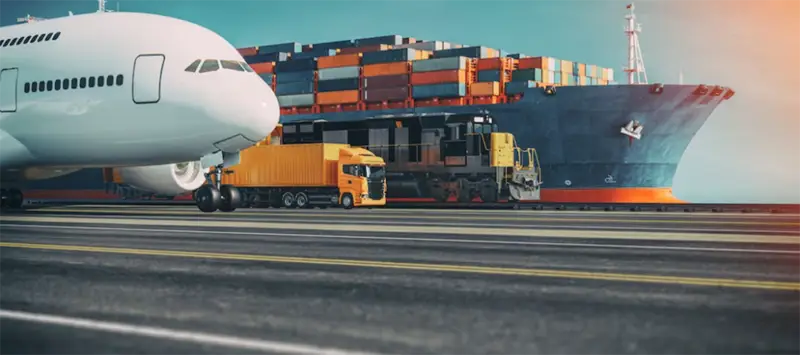

In 2026, e-commerce merchants face increasing pressure to deliver orders faster and more cost-effectively while maintaining high customer satisfaction. Choosing the right shipping method is no longer optional; it’s a core business decision.
In this guide, we’ll explore the 15 most popular e-commerce shipping methods and highlight their pros and cons. More importantly, we’ll show how you can optimize these methods using Willow Commerce’s Shipping Software and its seamless Integrations Hub to streamline fulfillment across carriers and channels.
Top 15 Shipping Methods in 2026
| # | Method | ✅ Pros | ❌Cons |
|---|---|---|---|
| 1 | Standard Ground Shipping (UPS Ground, FedEx Ground) | Affordable for most domestic deliveries | Slower delivery times for remote regions |
| 2 | Express / Next-Day Air (UPS Next Day, FedEx Express) | High shipping costs | Ultra-fast delivery, boosts customer satisfaction |
| 3 | Two-Day Air (FedEx 2Day, UPS 2nd Day Air) | Balance between speed and cost | Still expensive compared to ground |
| 4 | Economy Shipping (USPS Ground Advantage, UPS SurePost) | Cost-effective for low-priority shipments | Tracking and speed may vary |
| 5 | Flat-Rate Shipping (USPS Flat Rate Box) | Fixed cost regardless of distance | Not cost-effective for light packages |
| 6 | Freight LTL / FTL (Less-than-Truckload or Full Truckload) | Ideal for bulk shipments | Longer transit times for smaller retailers |
| 7 | Rail & Intermodal Freight | Lower cost for long-distance transport | Limited flexibility, slower than air/ground |
| 8 | Same-Day Local Delivery (Bike Couriers, Local Fleets) | Perfect for urban deliveries and perishables | Limited coverage and scalability |
| 9 | Drone Delivery | Future-proof, ultra-fast for small packages | Regulatory and cost barriers still exist |
| 10 | Locker & Pickup Point Delivery (Amazon Locker, DHL Packstation) | Secure, flexible pickup for customers | Requires extra effort from the buyer |
| 11 | Scheduled Delivery | Customers choose exact delivery windows | Complex logistics for merchants |
| 12 | Crowdsourced Delivery (Postmates, DoorDash) | Fast and flexible last-mile delivery | Reliability and brand control challenges |
| 13 | Hybrid Carrier Services (UPS + USPS SurePost) | Cost savings by combining carriers | Tracking and delivery transparency issues |
| 14 | Freight Consolidation Services | Small shipments combined for lower costs | Longer delivery windows |
| 15 | Digital Returns (Prepaid Return Labels) | Increases trust and customer retention | Return costs must be managed carefully |
Optimizing Shipping with Willow Commerce
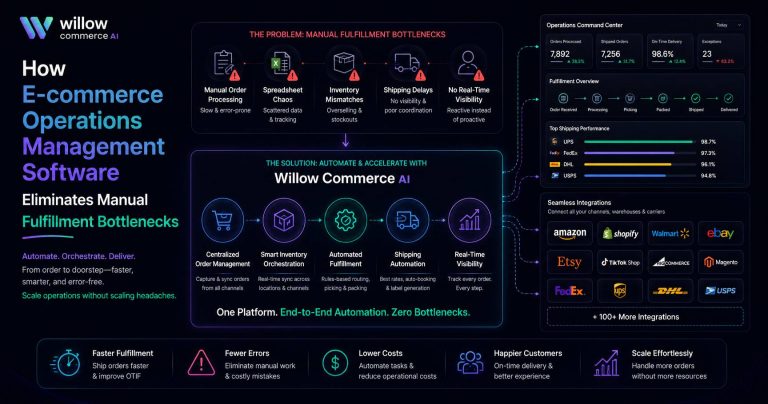
Managing multiple carriers and methods can be overwhelming. That’s where Willow Commerce Shipping Software comes in, helping you:
- Automate carrier selection based on speed, cost, and location
- Generate labels instantly across multiple carriers
- Track shipments from one unified dashboard
- Streamline order fulfillment with real-time analytics
Even better, the Integrations Hub seamlessly integrates with UPS, FedEx, USPS, DHL, Amazon, Shopify, and other platforms, ensuring you always choose the best shipping method without additional manual work.
Frequently Asked Questions (FAQ)
The cheapest option is usually economy shipping services like USPS Ground Advantage or UPS SurePost. These methods trade speed for cost-efficiency, making them ideal for non-urgent deliveries.
Express or Next-Day Air (UPS Next Day, FedEx Express) remains the fastest traditional method. However, drone delivery is emerging as a next-generation solution for ultra-fast small-package delivery in select regions.
For international shipments, express couriers like DHL Express or FedEx International Priority are the most reliable. Merchants can also use freight consolidation to lower costs for bulk exports.
Using Willow Commerce Shipping Software allows merchants to automate carrier selection, generate labels, and track all shipments from one centralized platform, removing the hassle of switching between multiple carrier dashboards.
Yes. With Willow Commerce’s Integrations Hub, you can connect your e-commerce platform (Shopify, WooCommerce, Amazon, etc.) directly with UPS, FedEx, USPS, DHL, and more, ensuring seamless fulfillment automation.
In 2026, the most successful e-commerce brands won’t just sell great products; they’ll master the art of fulfillment. By understanding the pros and cons of each shipping method and combining them with Willow Commerce’s integrations and software, you can create a shipping strategy that reduces costs, accelerates delivery, and delights customers.
» Start Your Free Trial